
Spanish Cruise Destination Plans Tax Increase for Cruise Passengers
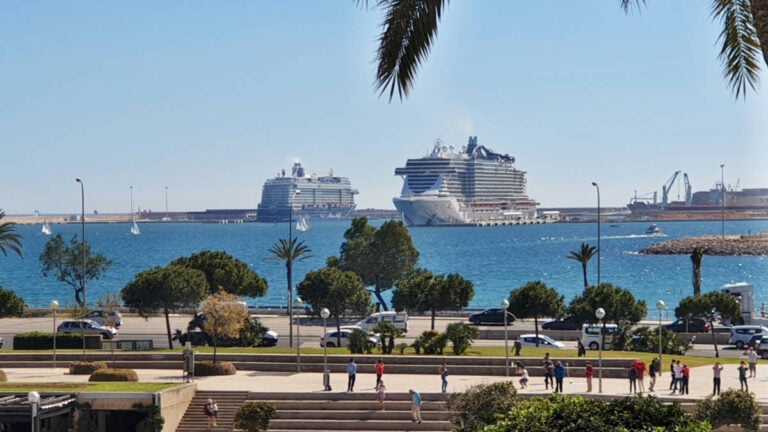
As Spain’s Balearic Islands, which includes the popular port of Majorca, brace for an expected influx of nearly 1.8 million cruise passengers in 2025, the regional government is rolling out a set of measures specifically aimed at managing that ever-growing number.
On March 7, 2025, the Balearic government, led by President Marga Prohens, decided to drastically increase the Sustainable Tourism Tax for visitors.
During the high-season months of June, July, and August, the current tax for cruise passengers on popular islands such as Mallorca and Ibiza will increase from €2 per person to €6 per day.
Outside the peak season, between March and December, passengers will continue to pay €2, with only January and February – the low season in the islands – tax-free.
This means the more than 1.8 million passengers scheduled to arrive via 541 cruises in 2025 can bring in millions.
According to Prohens, the tax hike is necessary to reduce the environmental footprint of tourism with monies raised used on sustainability projects, infrastructure improvements, and cultural heritage protection.
The call for these stringent measures has been fueled by warnings from local officials and environmental advocates about the unsustainable growth of tourism, particularly cruise vessels.
Miquel Angel Contreras, a councilor from MÉS per Palma, has been vocal about the previous administration’s “failures” to regulate the cruise industry.
“The PP has decided to leave free way to the cruise industry,” he said.
“We cannot continue accepting the collapse of our streets, the contamination of our city, and the endangerment of our natural resources while the only beneficiaries are the larger cruise liners,” said Contreras.
He highlighted the impact of cruises on the islands, pointing out the negative carbon footprint and water consumption.
Contreras says those negatives far outweigh the financial contributions of cruise ship passengers, which he cites is as low as 35 euros per person.
A Surge in Visitors and Regulations
The 2024 cruise season in the Balearic Islands saw an uptick in both cruise ship arrivals and passenger numbers, setting the stage for the new regulations.
Over the course of the year, the picturesque archipelago in the Mediterranean Sea welcomed nearly 1,500 cruise ships and 1.7 million guests – a 20 percent increase compared to 2023.
MÉS per Palma is pushing for the government to limit the number of cruise ships allowed to dock in Palma de Mallorca and to ban mega cruise ships.
In May 2024, Mayor Jaime Martinez of Palma de Mallorca echoed the call for a partial ban on cruise ships. His plan is to either limit the number of ships allowed to call or to only allow those who home port in Mallorca’s capital city.
Per a 2021 agreement, Palma allows only three vessels to dock within a 24-hour period. Ibiza allows just two. As banning cruise ships is a tougher battle for local governments, raising taxes on passengers is a growing trend.
Read Also: How to Save Money on a Cruise: Cash-Savvy Spending Tips
In the Greek Isles, officials facing similar challenges to the Balearic Islands introduced a €20 fee for guests arriving by cruise ship during the peak season of 2025 to destinations like Santorini and Mykonos.
Its smaller, less-visited islands will charge a €5 fee.
Last summer’s tourism tax for peak season day visits to Venice, Italy, – €5 – was so successful in raising funds, the UNESCO World Heritage Site plans to raise it to €10 in 2025.
The tax was implemented on 29 of the island’s busiest days, raking in €2.4 million ($2.61 million).
The Balearic Islands’ cruise season typically runs from April through October, but more and more cruise lines have been arriving even earlier.
In Palma, for example, its first call – Windstar Cruises’ Star Legend – will be March 10, 2025. Norwegian Cruise Line’s Norwegian Breakaway will arrive in Ibiza on March 26.
Spanish Cruise Destination Plans Tax Increase for Cruise Passengers